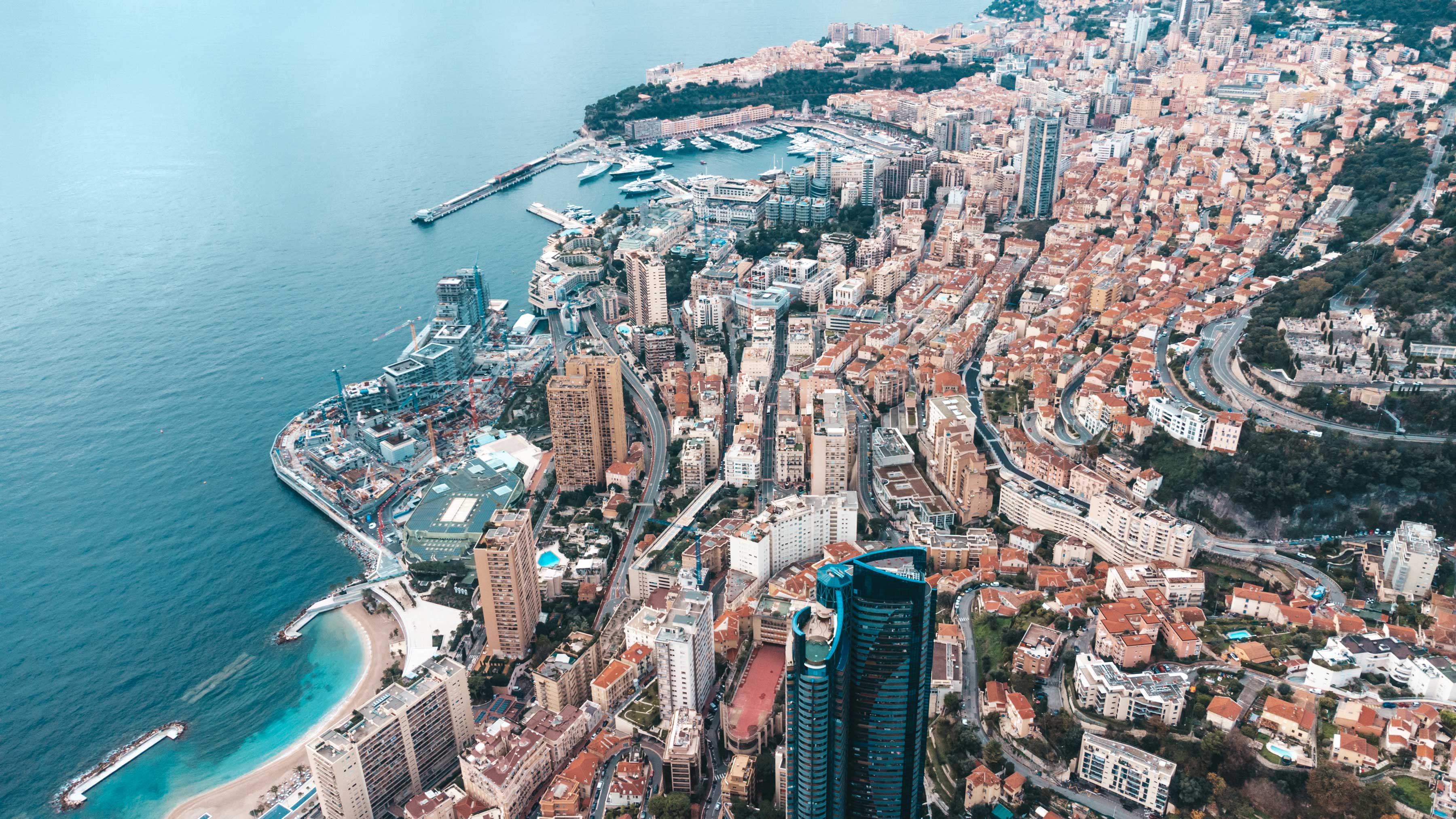
Luxury Brand Digital Strategy in Monaco: Building Desire Without Diluting It
How luxury brands in Monaco can build a digital strategy that grows desire and exclusivity online — websites, search, social and reputation done the luxury way.
Luxury brands in Monaco face a paradox online. The same digital tools that scale a mass-market business — broad advertising, aggressive promotions, viral content — can quietly erode the very thing a luxury brand sells: scarcity, exclusivity and desire. A strategy that works for a discount retailer will actively damage a luxury house.
Yet doing nothing is not an option either. Affluent buyers research online long before they walk into a boutique, an atelier or a private showroom. The question for luxury operators in the Principality is not whether to be digital, but how to be digital without looking ordinary.
Luxury digital strategy follows different rules
Mass-market digital strategy optimises for volume: more traffic, more clicks, more conversions, lower cost per sale. Luxury optimises for the opposite — fewer, better relationships, and a brand that feels harder to reach, not easier.
That single inversion changes every decision. You measure success in qualified enquiries and boutique appointments, not raw conversion rate. You treat the website as a statement of taste, not a vending machine. And you accept that some of the most valuable outcomes — a client choosing your house over a rival's, an introduction at a private event — will never show up cleanly in an analytics dashboard.
The website is your flagship boutique
For a luxury brand, the website is not a brochure. It is the digital equivalent of the flagship boutique on the Carré d'Or — and most affluent clients will visit it long before they visit the physical one.
That means the standard is uncompromising. Photography must be original and exceptional, never stock. Typography, spacing and motion should feel considered and calm. Loading must be instant, because a slow site reads as carelessness, and carelessness is fatal to a luxury brand. The site should also be genuinely multilingual — Monaco's clientele moves between English, French and Italian, and a clumsy translation undoes the impression in a sentence.
Crucially, restraint is the strategy. The temptation to add pop-ups, countdown timers and discount banners must be resisted entirely. Investment in web design and UX/UI design for a luxury brand is not about adding features — it is about removing everything that does not belong.
Be discoverable without discounting
Affluent buyers do their research, and most of it begins with a search. A serious luxury brand needs to be found when someone searches its name, its category and the precise things it offers — without ever competing on price.
This is where luxury SEO differs from the mass-market version. The goal is not to rank for the broadest, cheapest terms. It is to own the searches that signal genuine intent and genuine means: specific collections, bespoke services, locations, materials. The content that supports this should educate and demonstrate expertise — the craftsmanship behind a piece, the provenance of a service — rather than shout offers.
Increasingly, that discovery happens inside AI assistants rather than a list of blue links. Ensuring a brand is described accurately when a client asks an AI tool for recommendations is becoming part of the job — an emerging discipline known as generative engine optimisation.
Social media: presence, not noise
A luxury brand does not need to be on every platform, and it certainly does not need to post daily. Frequency is a mass-market metric. For luxury, the questions are different: does every post meet the standard of the boutique, and does the feed as a whole tell a coherent story?
Choose one or two platforms where your clients genuinely spend attention, and treat the account as an editorial product, not a content treadmill. Where partnerships are used, influencer marketing should be approached as a curatorial decision — a small number of credible, aligned voices, not reach for its own sake. One wrong association damages a luxury brand far more than ten right ones help it.
Reputation is the quiet asset
For a luxury house, reputation is not a marketing channel — it is the product. A single poorly handled review, an inconsistent description across directories, or an outdated profile can do real damage with a clientele that assumes excellence.
Active online reputation management means monitoring what is said, ensuring every public listing is accurate and elegant, and responding to feedback with the same composure you would show in the boutique. In Monaco's tightly connected market, where clients talk and word travels fast, this is not optional housekeeping. It is strategy.
Discretion, data and the Monaco context
Luxury clients expect discretion, and digital strategy must honour that. Aggressive retargeting that follows a client around the internet feels intrusive and cheapens the relationship. Data should be collected sparingly, held securely and used with restraint.
This also aligns with Monaco law. The Principality's Law No. 1.565 of 3 December 2024 on personal data, supervised by the APDP, governs how contact forms, client lists and analytics handle personal information — and Monaco is not an EU member state, so the GDPR does not apply automatically, though brands serving EU clients may need to consider both. For anything touching compliance specifics, confirm the detail with a qualified professional rather than assuming the rules match France or the EU.
Sequence the work
A luxury digital strategy is built in order, not all at once. Get the website to flagship standard first — until that is right, nothing else should launch. Then secure discoverability through considered search and content. Then add a disciplined social and reputation presence. Treating these as one coherent programme, rather than disconnected campaigns, is what separates a luxury brand online from a business that merely sells expensive things.
If you would like help building a digital strategy that grows desire without diluting it, get in touch.
Related services